What Is Tarsal Tunnel Syndrome?

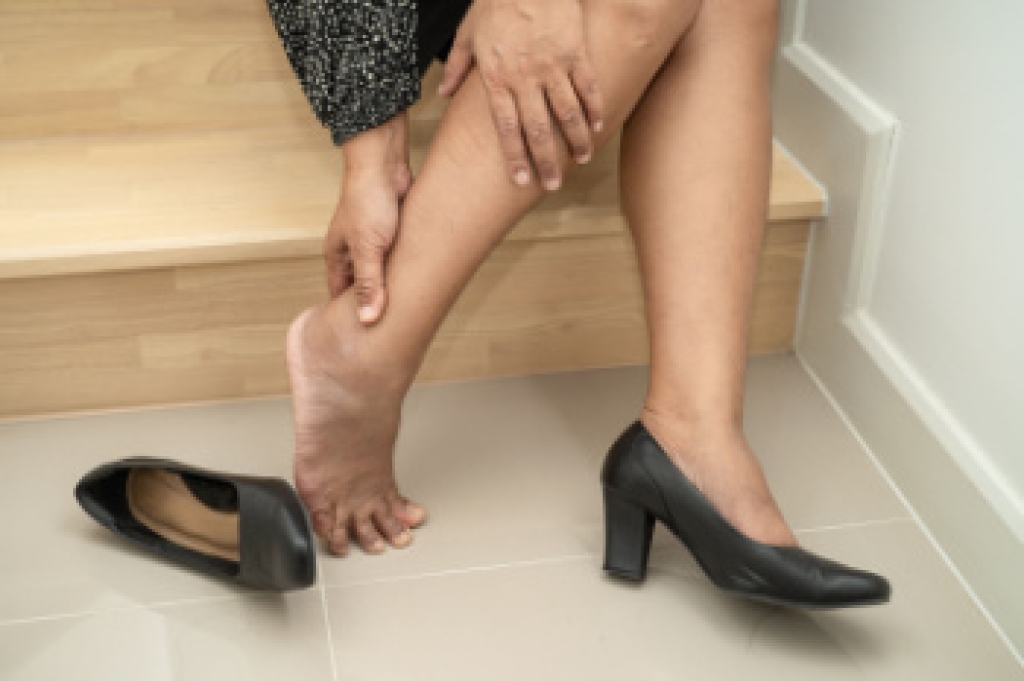
Tarsal tunnel syndrome is a condition that occurs when the tibial nerve is compressed as it passes through a narrow space in the ankle. Symptoms often include numbness, tingling, and burning sensations in the foot and toes. Individuals may also experience sharp or shooting pain that radiates from the ankle to the toes, particularly during activities that involve prolonged standing or walking.The causes of tarsal tunnel syndrome can vary widely. Common factors include flat feet, which can increase pressure on the nerve, as well as injuries or trauma to the ankle that result in swelling. Conditions such as diabetes, arthritis, or cysts may also contribute to nerve compression. If you have pain on the inside of the ankle, it is suggested that you consult a podiatrist who can provide an accurate diagnosis and treatment. 

Tarsal tunnel syndrome can be very uncomfortable to live with. If you are experiencing tarsal tunnel syndrome, contact Phyllis Weinstein, DPM of California. Our doctor can provide the care you need to keep you pain-free and on your feet.

Tarsal Tunnel Syndrome

Tarsal tunnel syndrome, which can also be called tibial nerve dysfunction, is an uncommon condition of misfiring peripheral nerves in the foot. The tibial nerve is the peripheral nerve in the leg responsible for sensation and movement of the foot and calf muscles. In tarsal tunnel syndrome, the tibial nerve is damaged, causing problems with movement and feeling in the foot of the affected leg.

Common Cause of Tarsal Tunnel Syndrome

  • Involves pressure or an injury, direct pressure on the tibial nerve for an extended period of time, sometimes caused by other body structures close by or near the knee.
  • Diseases that damage nerves, including diabetes, may cause tarsal tunnel syndrome.
  • At times, tarsal tunnel syndrome can appear without an obvious cause in some cases.

The Effects of Tarsal Tunnel Syndrome

  • Different sensations, an afflicted person may experience pain, tingling, burning or other unusual sensations in the foot of the affected leg.
  • The foot muscles, toes and ankle become weaker, and curling your toes or flexing your foot can become difficult.
  • If condition worsens, infections and ulcers may develop on the foot that is experiencing the syndrome.

A physical exam of the leg can help identify the presence of tarsal tunnel syndrome. Medical tests, such as a nerve biopsy, are also used to diagnose the condition. Patients may receive physical therapy and prescriptive medication. In extreme cases, some may require surgery.

If you have any questions please contact our office located in Temple City, CA . We offer the newest diagnostic and treatment technologies for all your foot and ankle needs.

Read more about Tarsal Tunnel Syndrome

Differences to Consider in Walking and Running Shoes

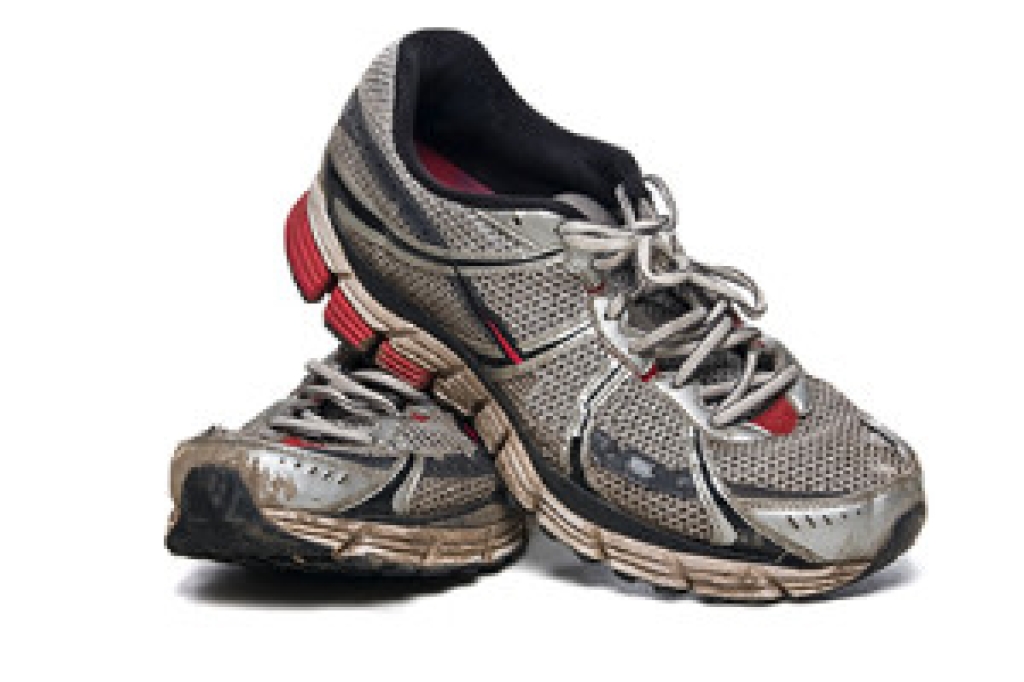
Choosing the right footwear is essential for comfort and injury prevention, and understanding the differences between walking and running shoes is important. One key difference lies in heel design, as running shoes typically have a more pronounced heel drop to accommodate the forward motion and impact associated with running. In contrast, walking shoes often feature a lower heel to promote a more natural foot movement. Flexibility is another significant distinction, and walking shoes tend to be more flexible, allowing for a smooth rolling motion, while running shoes are stiffer to provide support during the higher impact of running. Cushioning also varies. Running shoes generally offer more cushioning to absorb shock, whereas walking shoes prioritize stability and comfort for prolonged use. If you have foot pain from wearing ill-fitting shoes, it is suggested that you consult a podiatrist who can treat various foot conditions and provide additional guidance on shoe selection.

For more information about walking shoes versus running shoes, consult with Phyllis Weinstein, DPM from California. Our doctor can measure your feet to determine what your needs are and help you find an appropriate pair of footwear.

Foot Health: The Differences between Walking & Running Shoes

There are great ways to stay in shape: running and walking are two great exercises to a healthy lifestyle. It is important to know that running shoes and walking shoes are not interchangeable. There is a key difference on how the feet hit the ground when someone is running or walking. This is why one should be aware that a shoe is designed differently for each activity.

You may be asking yourself what the real differences are between walking and running shoes and the answers may shock you.

Differences

Walking doesn’t involve as much stress or impact on the feet as running does. However, this doesn’t mean that you should be any less prepared. When you’re walking, you land on your heels and have your foot roll forward. This rolling motion requires additional support to the feet.

Flexibility – Walking shoes are designed to have soft, flexible soles. This allows the walker to push off easily with each step.

If you have any questions, please feel free to contact our office located in Temple City, CA . We offer the newest diagnostic and treatment technologies for all your foot care needs.

Read more about Differences between Walking and Running Shoes

Keep Your Feet Healthy So You Can Stay Active

Have your feet inspected by a professional before starting a new sport or physical activity. Taking charge of your foot health will keep you in good physical condition and can help you avoid a potential injury, such as a fracture or sprained ankle.

Prevent injuries and see a foot specialist.

Causes and Treatment of Webbed Toes

Webbed toes, or syndactyly, occur when two or more toes are fused together due to incomplete separation during fetal development. This condition is largely congenital but in some cases can form without a known cause. Webbing can vary from a simple fusion of skin and soft tissue to a more complex connection involving bones or joints. Webbed toes do not always affect function or mobility, but surgical correction may be considered if there is pain, limited movement, or for cosmetic reasons. The surgical approach depends on the severity and type of fusion involved. Recovery may include casting and bracing to promote proper healing. A podiatrist can evaluate the extent of the toe webbing and provide guidance on surgical options if needed. Early intervention can ensure better outcomes and reduce potential complications. If your child has a toe deformity, it is suggested that you schedule an appointment with a podiatrist for treatment.

Congenital foot problems require immediate attention to avoid future complications. If you have any concerns, contact Phyllis Weinstein, DPM of California. Our doctor can provide the care you need to keep you pain-free and on your feet.

Congenital foot problems are deformities affecting the feet, toes, and/or ankles that children are born with. Some of these conditions have a genetic cause while others just happen. Some specific foot ailments that children may be born with include clubfeet, polydactyly/macrodactyly, and cleft foot. There are several other foot anomalies that can occur congenitally. What all of these conditions have in common is that a child may experience difficulty walking or performing everyday activities, as well as trouble finding footwear that fits their foot deformity. Some of these conditions are more serious than others. Consulting with a podiatrist as early as possible will help in properly diagnosing a child’s foot condition while getting the necessary treatment underway.

What are Causes of Congenital Foot Problem?

A congenital foot problem is one that happens to a child at birth. These conditions can be caused by a genetic predisposition, developmental or positional abnormalities during gestation, or with no known cause.

What are Symptoms of Congenital Foot Problems?

Symptoms vary by the congenital condition. Symptoms may consist of the following:

  • Clubfoot, where tendons are shortened, bones are shaped differently, and the Achilles tendon is tight, causing the foot to point in and down. It is also possible for the soles of the feet to face each other.
  • Polydactyly, which usually consists of a nubbin or small lump of tissue without a bone, a toe that is partially formed but has no joints, or an extra toe.
  • Vertical talus, where the talus bone forms in the wrong position causing other bones in the foot to line up improperly, the front of the foot to point up, and the bottom of the foot to stiffen, with no arch, and to curve out.
  • Tarsal coalition, when there is an abnormal connection of two or more bones in the foot leading to severe, rigid flatfoot.
  • Cleft foot, where there are missing toes, a V-shaped cleft, and other anatomical differences.
  • Macrodactyly, when the toes are abnormally large due to overgrowth of the underlying bone or soft tissue.

Treatment and Prevention

While there is nothing one can do to prevent congenital foot problems, raising awareness and receiving neonatal screenings are important. Early detection by taking your child to a podiatrist leads to the best outcome possible.

If you have any questions, please feel free to contact our office located in Temple City, CA . We offer the newest diagnostic and treatment technologies for all your foot care needs.

Read more about Congenital Foot Problems

Comparing Rheumatoid Arthritis and Gout Foot Pain

Rheumatoid arthritis, or RA, and gout are two distinct forms of arthritis that can cause significant foot pain. RA is an autoimmune condition that leads to swelling, stiffness, and inflammation in the joints, including those in the feet. This inflammation can result in joint damage if left untreated. Gout occurs when uric acid crystals accumulate in the joints, often causing sudden and intense pain, redness, and swelling. It typically causes painful flare ups in the big toe. While RA tends to cause more generalized joint discomfort, gout pain is more localized and can be severe during flare-ups. Both arthritic conditions can limit mobility and interfere with your daily activities. A podiatrist can evaluate your symptoms and suggest treatment that helps manage pain, reduce inflammation, and prevent further joint damage. Included are certain medications, targeted exercises and lifestyle or diet adjustments. If you have inflammatory pain in your feet, it is suggested that you schedule an appointment with a podiatrist for a diagnosis and the appropriate treatment.

When dealing with systemic disease of the feet, it is extremely important to check the affected areas routinely so that any additional problems are caught quickly.  If you have any concerns about your feet and ankles contact Phyllis Weinstein, DPM from California. Our doctor will assist you with all of your podiatric needs.

Systemic Diseases of the Feet

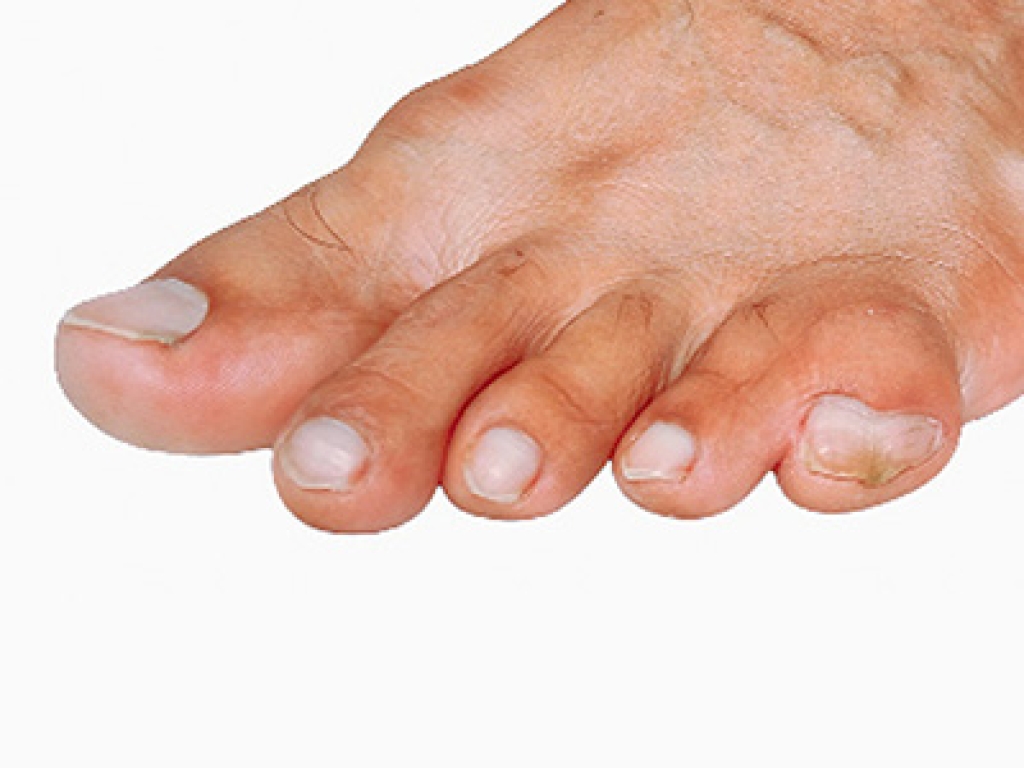
Systemic diseases affect the whole body, and symptoms usually are displayed in the feet. This condition can make a patient’s ability to walk unbearable.  Systemic diseases include gout, diabetes mellitus, neurological disorders, and arthritis.

Gout – is caused by an excess of uric acid in the body. Common symptoms include pain, inflammation, and redness at the metatarsal/phalangeal joint of the base big toe. Gout can be treated by NSAIDs to relieve pain and inflammation, and other drugs that lower the acid levels in the body.

Diabetes mellitus – is an increase in the level of blood sugar that the body cannot counteract with its own insulin. Failure to produce enough insulin is a factor in Diabetes.

Diabetes of the Feet

Diabetic Neuropathy – may lead to damaged nerves and affect the feet through numbness and loss of sensation.

Peripheral Vascular Disease – can restrict the blood flow to the feet, and often times lead to amputation of the feet. 

If you have any questions please contact our office located in Temple City, CA . We offer the newest diagnostic and treatment technologies for all your foot and ankle needs.
Read more about Systemic Diseases of the Foot

Connect With Us

scroll to top