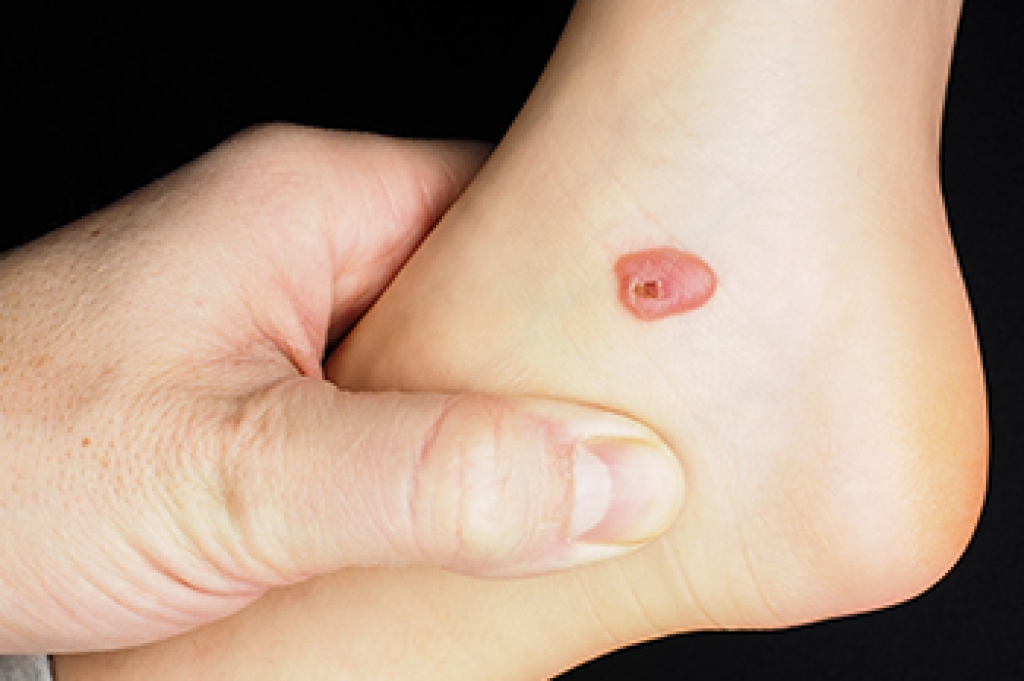
Blistering skin lesions on the feet develop when the outer layer of skin separates due to friction, pressure, or underlying medical conditions. In older adults, these fluid-filled lesions require careful attention because aging skin becomes thinner, less elastic, and more prone to injury. Reduced circulation and slower healing also increase the risk of complications. Common locations include the heels, toes, and soles, where repeated pressure occurs. Identifying blistering early on supports proper care and can help prevent an infection or ulcer from forming. This is especially important in elderly foot-health management.
Symptoms of foot blisters in seniors often include redness, tenderness, swelling, and a visible fluid-filled pocket. Some individuals may experience burning or discomfort while walking, while others may not notice pain due to reduced sensation from nerve-related conditions. As blisters worsen, they may rupture and expose sensitive tissue underneath. Warning signs like increased warmth, drainage, or discoloration may indicate infection. Monitoring these symptoms is essential for maintaining skin integrity and preventing more serious foot conditions.
Several risk factors contribute to blisters in the elderly population. Wearing ill-fitting shoes, prolonged walking, and repetitive pressure are leading causes. Medical conditions like diabetes, peripheral vascular disease, and neuropathy significantly increase vulnerability. Moisture from sweat or improper foot hygiene can weaken the skin barrier, making it easier for blisters to develop. Thin skin and reduced fat padding also decrease natural protection against friction. Understanding these risk factors allows for better prevention strategies and improved foot-care routines.
Proper elderly foot care plays a key role in reducing blister risk and supporting overall foot health. Wearing well fitting, supportive footwear, keeping feet clean and dry, and inspecting the skin daily can prevent complications. Protective padding and moisture control products may also help reduce friction. Early intervention is critical to avoid worsening conditions. If you or if you know of an elderly person who has problems with foot blisters, it is suggested that you consult a podiatrist for effective treatment solutions.
Proper foot care is something many older adults forget to consider. If you have any concerns about your feet and ankles, contact Phyllis Weinstein, DPM from California. Our doctor can provide the care you need to keep you pain-free and on your feet.
The Elderly and Their Feet
As we age we start to notice many changes in our body, but the elder population may not notice them right away. Medical conditions may prevent the elderly to take notice of their foot health right away. Poor vision is a lead contributor to not taking action for the elderly.
Common Conditions
- Neuropathy – can reduce feeling in the feet and can hide many life-threatening medical conditions.
- Reduced flexibility – prevents the ability of proper toenail trimming, and foot cleaning. If left untreated, it may lead to further medical issues.
- Foot sores – amongst the older population can be serious before they are discovered. Some of the problematic conditions they may face are:
- Gouging toenails affecting nearby toe
- Shoes that don’t fit properly
- Pressure sores
- Loss of circulation in legs & feet
- Edema & swelling of feet and ankles
Susceptible Infections
Diabetes and poor circulation can cause general loss of sensitivity over the years, turning a simple cut into a serious issue.
If you have any questions, please feel free to contact our office located in Temple City, CA . We offer the newest diagnostic and treatment technologies for all your foot care needs.
