A Sharp Pinch Between the Toes

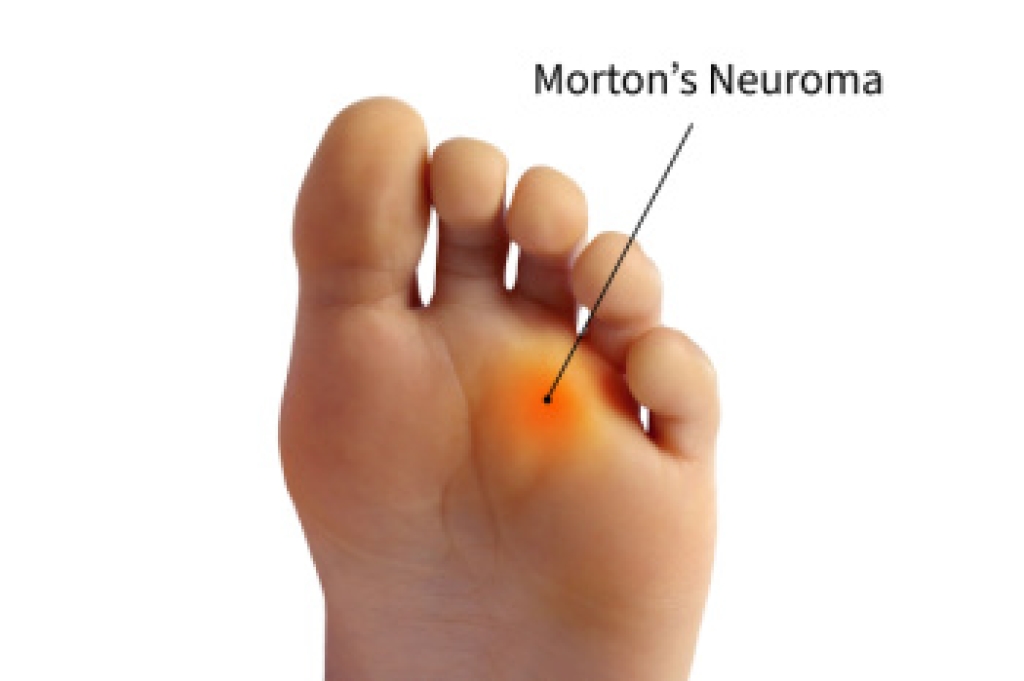
Morton’s neuroma is a common source of forefoot pain that can feel like stepping on a pebble or experiencing a sudden electric shock between the toes. This condition develops when the nerve between the metatarsal bones becomes irritated, often from wearing tight shoes, high heels, or repetitive pressure during walking or exercise. Over time, the nerve thickens, leading to burning sensations, numbness, or tingling that may radiate into the toes. Some people notice the pain comes and goes, while others find it steadily interfering with daily activities. Simple changes in footwear and activity may ease early symptoms, but ongoing discomfort should not be ignored because it rarely improves without proper guidance. A podiatrist can evaluate the nerve, recommend supportive options, and offer treatments that reduce irritation. If you continue to feel a sharp or tingling pain in the ball of your foot, it is suggested that you see a podiatrist for an accurate diagnosis and relief.

Morton’s neuroma is a very uncomfortable condition to live with. If you think you have Morton’s neuroma, contact Phyllis Weinstein, DPM of California. Our doctor will attend to all of your foot care needs and answer any of your related questions.  

Morton’s Neuroma

Morton's neuroma is a painful foot condition that commonly affects the areas between the second and third or third and fourth toe, although other areas of the foot are also susceptible. Morton’s neuroma is caused by an inflamed nerve in the foot that is being squeezed and aggravated by surrounding bones.

What Increases the Chances of Having Morton’s Neuroma?

  • Ill-fitting high heels or shoes that add pressure to the toe or foot
  • Jogging, running or any sport that involves constant impact to the foot
  • Flat feet, bunions, and any other foot deformities

Morton’s neuroma is a very treatable condition. Orthotics and shoe inserts can often be used to alleviate the pain on the forefront of the feet. In more severe cases, corticosteroids can also be prescribed. In order to figure out the best treatment for your neuroma, it’s recommended to seek the care of a podiatrist who can diagnose your condition and provide different treatment options.

If you have any questions, please feel free to contact our office located in Temple City, CA . We offer the newest diagnostic and treatment technologies for all your foot care needs.
Read more about Morton's Neuroma

Athlete’s Foot and Podiatric Care

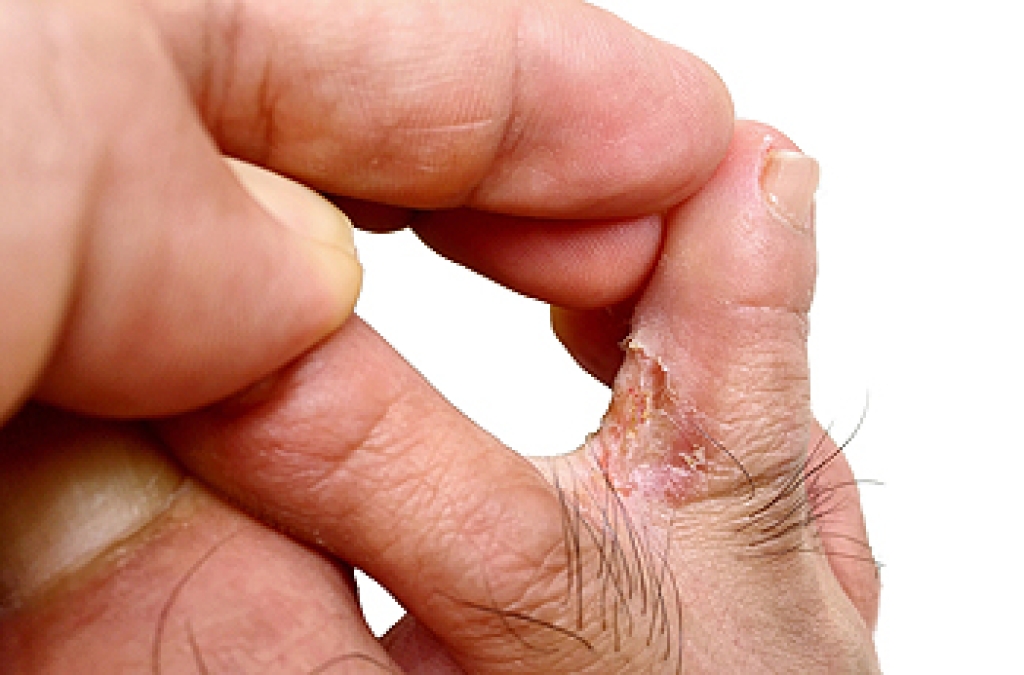
Athlete’s foot, also known as tinea pedis, is a fungal infection and the most widespread form of dermatophytosis affecting the feet. It develops when fungi grow on the skin, often in warm and moist environments. Excessive foot sweating can easily facilitate fungal growth, making the condition more likely to appear between the toes or on the soles. Symptoms include itching, burning, peeling skin, redness, and an unpleasant odor. A podiatrist can confirm the diagnosis, recommend effective treatments, address moisture issues, and provide guidance to prevent the infection from returning. If you are noticing irritation or persistent changes in your skin, it is suggested that you seek professional podiatric care to begin effective treatment.

Athlete’s Foot

Athlete’s foot is often an uncomfortable condition to experience. Thankfully, podiatrists specialize in treating athlete’s foot and offer the best treatment options. If you have any questions about athlete’s foot, consult with Phyllis Weinstein, DPM from California. Our doctor will assess your condition and provide you with quality treatment.

What Is Athlete’s Foot?

Tinea pedis, more commonly known as athlete’s foot, is a non-serious and common fungal infection of the foot. Athlete’s foot is contagious and can be contracted by touching someone who has it or infected surfaces. The most common places contaminated by it are public showers, locker rooms, and swimming pools. Once contracted, it grows on feet that are left inside moist, dark, and warm shoes and socks.

Prevention

The most effective ways to prevent athlete’s foot include:

  • Thoroughly washing and drying feet
  • Avoid going barefoot in locker rooms and public showers
  • Using shower shoes in public showers
  • Wearing socks that allow the feet to breathe
  • Changing socks and shoes frequently if you sweat a lot

Symptoms

Athlete’s foot initially occurs as a rash between the toes. However, if left undiagnosed, it can spread to the sides and bottom of the feet, toenails, and if touched by hand, the hands themselves. Symptoms include:

  • Redness
  • Burning
  • Itching
  • Scaly and peeling skin

Diagnosis and Treatment

Diagnosis is quick and easy. Skin samples will be taken and either viewed under a microscope or sent to a lab for testing. Sometimes, a podiatrist can diagnose it based on simply looking at it. Once confirmed, treatment options include oral and topical antifungal medications.

If you have any questions, please feel free to contact our office located in Temple City, CA . We offer the newest diagnostic and treatment technologies for all your foot care needs.

Read more about Athlete's Foot

Pronation and Supination in the Feet

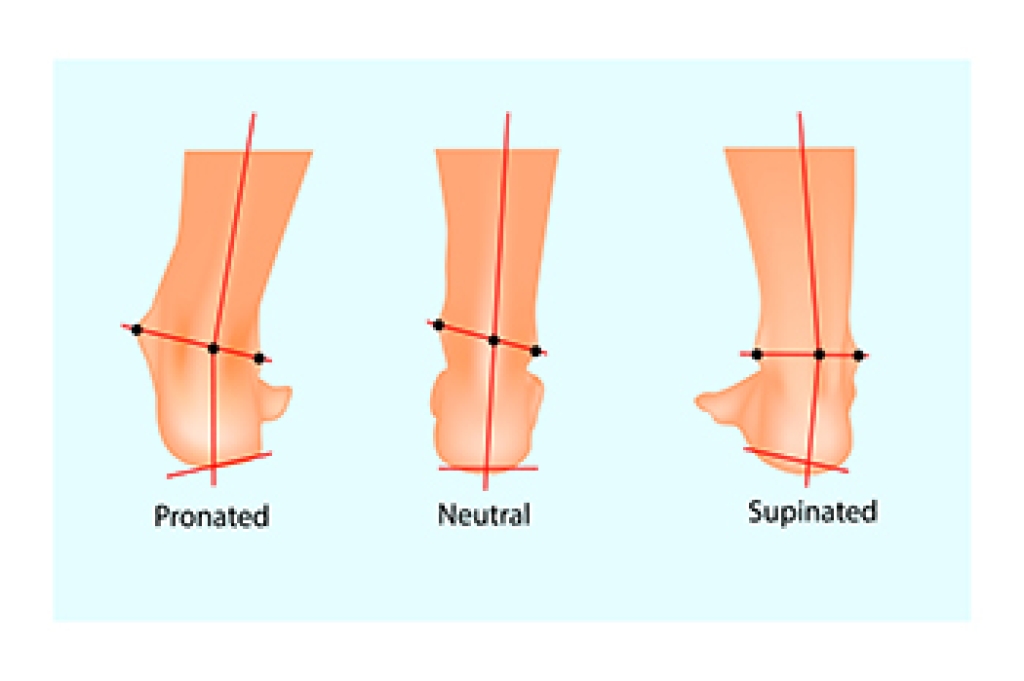
Pronation and supination describe how the feet roll during walking or running, affecting the way weight is distributed with each step. Pronation occurs when the foot rolls inward, allowing the arch to flatten and absorb shock. Supination happens when the foot rolls outward, placing pressure on the outer edge. When these motions become excessive, they can lead to foot pain, arch strain, and ankle instability. Overpronation may cause stress on the heel and inner arch, while oversupination often results in discomfort in the outer foot or ankle. Improper shoe support, high arches, or flat feet often influence these gait patterns. A podiatrist can evaluate the alignment and function of the feet, recommend supportive footwear or orthotic devices, and discuss corrective options, when necessary. If you have foot pain, especially after activity, it is suggested that you schedule an appointment with a podiatrist for a diagnosis and appropriate treatment options.

If you have any concerns about your feet, contact Phyllis Weinstein, DPM from California. Our doctor can provide the care you need to keep you pain-free and on your feet.

Biomechanics in Podiatry

Podiatric biomechanics is a particular sector of specialty podiatry with licensed practitioners who are trained to diagnose and treat conditions affecting the foot, ankle and lower leg. Biomechanics deals with the forces that act against the body, causing an interference with the biological structures. It focuses on the movement of the ankle, the foot and the forces that interact with them.

A History of Biomechanics

  • Biomechanics dates back to the BC era in Egypt where evidence of professional foot care has been recorded.
  • In 1974, biomechanics gained a higher profile from the studies of Merton Root, who claimed that by changing or controlling the forces between the ankle and the foot, corrections or conditions could be implemented to gain strength and coordination in the area.

Modern technological improvements are based on past theories and therapeutic processes that provide a better understanding of podiatric concepts for biomechanics. Computers can provide accurate information about the forces and patterns of the feet and lower legs.

Understanding biomechanics of the feet can help improve and eliminate pain, stopping further stress to the foot.

If you have any questions please feel free to contact our office located in Temple City, CA . We offer the newest diagnostic and treatment technologies for all your foot and ankle needs.

Read more about The Importance of Biomechanics in Podiatry

Do Your Child's Feet Hurt?

Have your child's feet been examined lately? Healthy feet are happy feet. If your child is complaining of foot pain, it may be a sign of underlying problems.

Plantar Fasciitis and Heel Pain

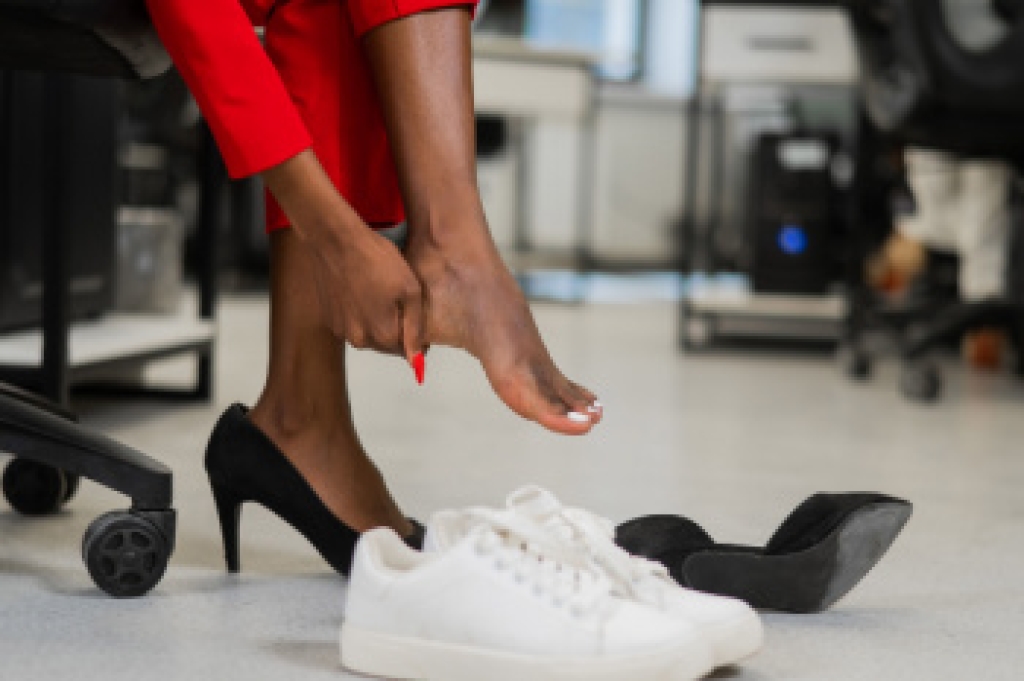
Plantar fasciitis is the leading cause of heel pain. It occurs when the strong band of tissue along the bottom of the foot, called the plantar fascia, becomes irritated at its attachment to the heel bone. This fascia helps support the arch and absorbs stress during walking, running, or standing. When excessive tension develops, microtears form in the fascia. The primary symptom of plantar fasciitis is sharp or throbbing pain that is often worse with the first steps after rest. Although sometimes referred to as heel spur syndrome, the pain is not caused by a bone spur, but by inflammation of the plantar fascia itself. Risk factors include obesity, prolonged standing, repetitive stress from sports, and biomechanical issues like overpronation. A podiatrist can examine the foot, evaluate gait, and suggest a variety of management solutions. Included are custom orthotics, immobilization, injections, and specific exercises. When conservative methods fail, surgery may be an option. If you have heel pain, it is suggested that you schedule an appointment with a podiatrist who can accurately diagnose and treat plantar fasciitis.

Plantar fasciitis is a common foot condition that is often caused by a strain injury. If you are experiencing heel pain or symptoms of plantar fasciitis, contact Phyllis Weinstein, DPM from California. Our doctor can provide the care you need to keep you pain-free and on your feet.

What Is Plantar Fasciitis?

Plantar fasciitis is one of the most common causes of heel pain. The plantar fascia is a ligament that connects your heel to the front of your foot. When this ligament becomes inflamed, plantar fasciitis is the result. If you have plantar fasciitis you will have a stabbing pain that usually occurs with your first steps in the morning. As the day progresses and you walk around more, this pain will start to disappear, but it will return after long periods of standing or sitting.

What Causes Plantar Fasciitis?

  • Excessive running
  • Having high arches in your feet
  • Other foot issues such as flat feet
  • Pregnancy (due to the sudden weight gain)
  • Being on your feet very often

There are some risk factors that may make you more likely to develop plantar fasciitis compared to others. The condition most commonly affects adults between the ages of 40 and 60. It also tends to affect people who are obese because the extra pounds result in extra stress being placed on the plantar fascia.

Prevention

  • Take good care of your feet – Wear shoes that have good arch support and heel cushioning.
  • Maintain a healthy weight
  • If you are a runner, alternate running with other sports that won’t cause heel pain

There are a variety of treatment options available for plantar fasciitis along with the pain that accompanies it. Additionally, physical therapy is a very important component in the treatment process. It is important that you meet with your podiatrist to determine which treatment option is best for you.

If you have any questions, please feel free to contact our office located in Temple City, CA . We offer the newest diagnostic and treatment technologies for all your foot care needs.
 

Read more about Plantar Fasciitis

Connect With Us

scroll to top